The renowned Nigerian economist, finance minister and
former vice-president of the World Bank Ngozi Okonjo-Iweala made a vibrant
appeal for investments in Africa during a Ted talk in 2007. She argued that it
is the best way to help Africa and Africans in their fight against poverty. A
new wave of consciousness is transforming the continent since the beginning of
this millennium she said. This is clearly confirmed by the ongoing economic
growth and democratisation process which are taking place in many African
countries. Africans no longer want to be object to the charity of the world.
They know that nobody but themselves have to shape their destiny.
Two years later another well known African (Zambian) economist of the World Bank, Dambisa Moyo, came out with a similar plea
in her book “Dead aid”. Her argument was that aid didn’t help
to enhance the economies of African countries since the independences. On the
contrary: it has postponed their development. Countries who welcomed China, she
says, understood that the best way to develop their economies and to get out of
poverty is to partnership with this uprising economy in such a way that long term investments sustain their growth.
These two prominent voices take a significant share to the new symphony
that is becoming more and more vibrant all over the continent: the time has
come to act for one’s own dignity. In comparison to the former generations of
Africans who lived under colonialism the new generation doesn’t content with
charging the West for its miseries. This generation is taking initiatives to
change the course of history and to change the image of the continent. It doesn’t
fear to tackle the failures of its own leaders. Who really wants to help
efficiently cannot ignore this new African course. Africans no longer want to
stretch their hands for help; they are trying to promote democratic and business freindly climates
in their countries. They want to earn their lives making use of the business
opportunities their continent generously offers. Sustainable help can only take this path.
Indeed, it seems that the growing tendency towards a
strong sense of Entrepreneurship and engagement for democracy which Ngozi
Okonjo-Iweala addressed seven years ago has reached a point of no return.
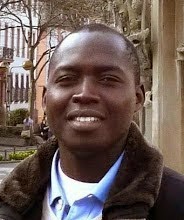
Rodrigue Naortangar, sj.

.jpg)
.jpg)